Below is an overview of common wildlife species that may enter your home or cause property damage, detailing their typical behaviors and where they are usually found.
Wildlife That Damages Property
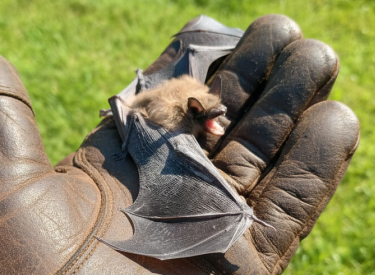
Bats
Bats can find their way into buildings through openings and may roost in attics, behind shutters, and under eaves or roofing tiles.
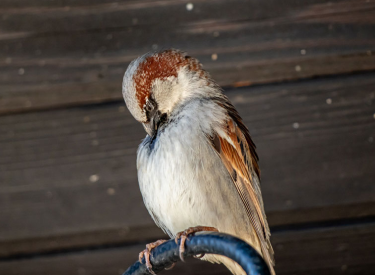
Birds
Birds can find their way into buildings through openings and may occupy attics, find shelter behind shutters, or settle under eaves or roofing tiles for resting.
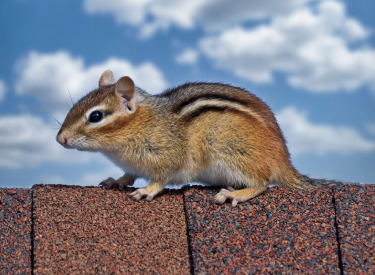
Chipmunks
Chipmunks rarely enter buildings through small openings or nest in basements, crawl spaces, or under porches or sidewalks. They typically prefer outdoor habitats for shelter and food storage.
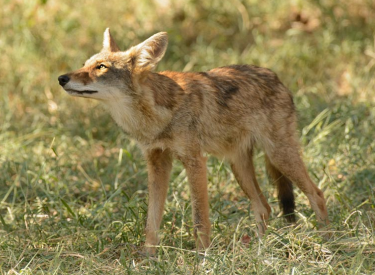
Coyote
Typically referred to Fish and Wildlife services, these increasingly common urban and suburban pests are known for preying on small pets and livestock and may den in vegetated areas, or beneath structures.
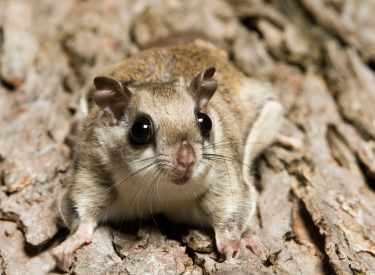
Flying Squirrels
Often nest in attics and wall voids and are particularly noisy at night due to their nocturnal nature, frequently causing damage to insulation.
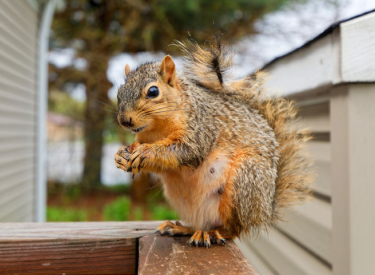
Fox Squirrels
Known to cause damage by chewing on fascia, soffits, and roof vents to gain access to attics and can strip bark from trees.
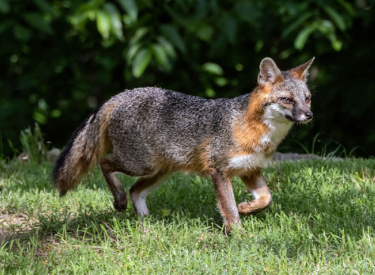
Grey Fox
Typically referred to Fish and Wildlife services, they may den beneath decks, sheds, or porches, and can pose a threat to small pets or spread diseases like rabies.
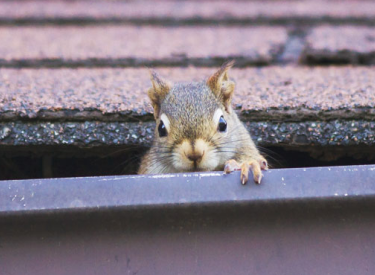
Gray Squirrels
Squirrels can enter buildings through small openings and may nest in attics, wall cavities, or under roofs, often causing damage by gnawing on wires and wood structures.
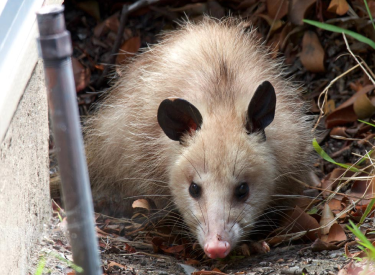
Opossums
Opossums can enter buildings through pet doors, open windows, or damaged areas to seek shelter or food, often taking residence in attics, garages, or under buildings.
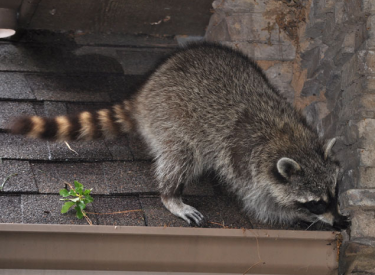
Raccoons
Raccoons can enter attics, chimneys, or crawl spaces through small openings to nest, often causing significant damage in their search for a denning site and by gnawing on wood or wires.
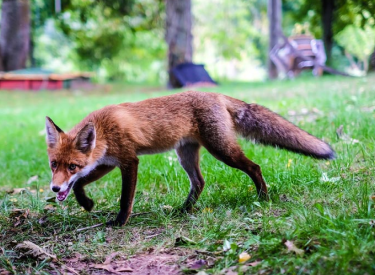
Red Fox
Typically referred to Fish and Wildlife services, these opportunistic predators that will prey on poultry and small pets; they often create dens by burrowing under sheds, decks, or porches, and can raid garbage bins.
Wildlife That Damages Landscapes & Structures
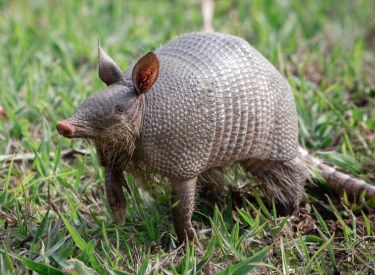
Armadillo
Cause damage primarily by extensive rooting and digging in lawns, flowerbeds, and gardens while searching for food, creating numerous shallow holes and potentially undermining sidewalks or foundations.
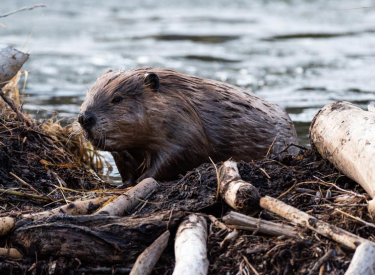
Beavers
Beavers typically do not enter buildings but can affect structures by building dams in nearby waterways, potentially leading to flooding or water damage to foundations and landscapes.
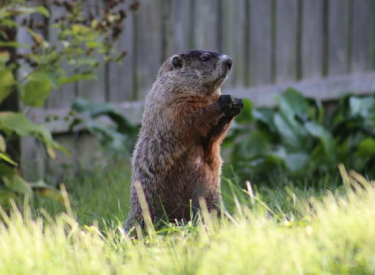
Groundhog
Groundhogs can burrow near foundations, decks, and sheds, potentially undermining structural integrity and causing damage to gardens and landscapes.
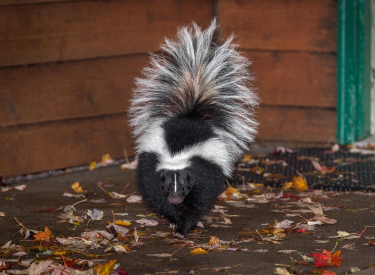
Skunks
Skunks can burrow under foundations, decks, or sheds to create dens, posing a risk of structural damage and the potential for unpleasant odors if they spray in defense when threatened.
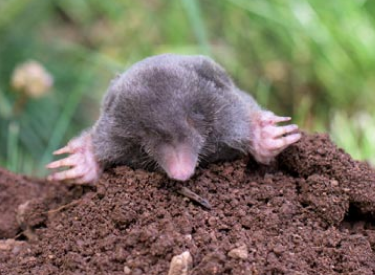
Moles
Moles tunnel underground in search of insects and worms, creating raised ridges and mounds of soil in lawns and gardens, which can disrupt plant roots and damage landscaping and lawns.
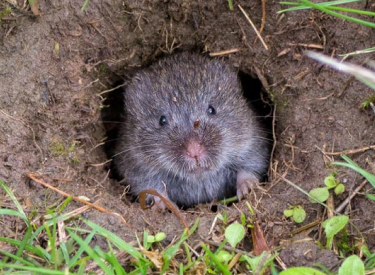
Voles
Voles, similar to moles, create extensive tunnel networks in gardens and lawns, feeding on plant roots and bark, which can lead to plant damage and unsightly surface trails in the landscape and lawns.
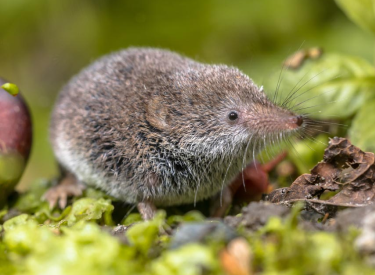
Shrews
While less likely to enter buildings, shrews prefer outdoor habitats with dense vegetation. Their constant digging for food and shelter can damage plant roots and result in unsightly holes, similar to voles or chipmunks.
Other Wildlife We Don't Let Slide By
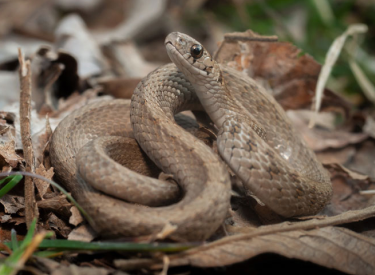
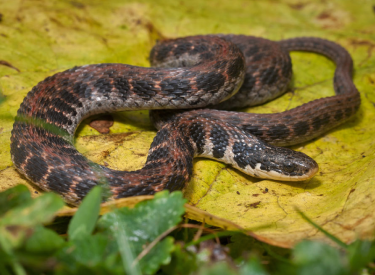
DeKay's Brown Snake
Startling appearance (often mistaken for a baby venomous snake). When handled, they may release a foul-smelling musk as a defense mechanism.
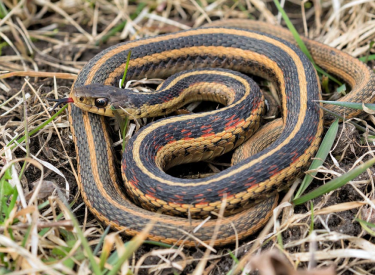
Garter Snakes
Generally harmless but become a nuisance when they enter homes through foundation cracks or low openings, often seeking warmth or prey; they may also emit a foul musk if startled.
Kirtland's Snake
Rarity and conservation status makes finding one exciting but also means their presence is often dependent on specific, sensitive habitats. They are not dangerous but may appear larger when threatened.
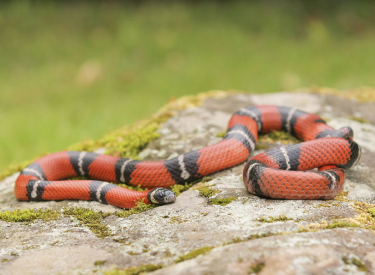
Milk Snakes
Mistaken Identity is the main issue; their resemblance to the venomous Coral Snake causes people to be frightened and potentially kill them unnecessarily.
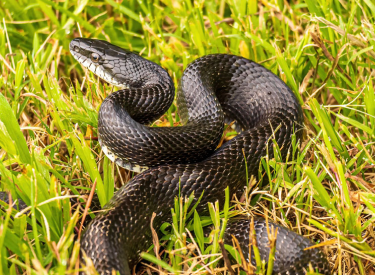
Rat Snakes
Large size, can be frightening, especially when encountered unexpectedly. They are known to climb structures to access bird feeders or chicken coops and may eat eggs or young chicks. If cornered, they will bite defensively.
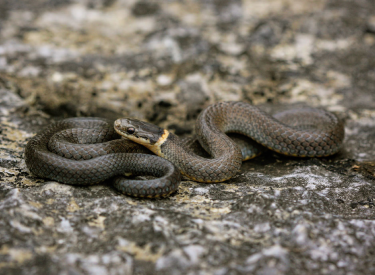
Ring Neck Snakes
A venomous concern, often found in rocky, wooded areas, ledges, or bluffs; they may den under decks, porches, or crawl spaces in search of rodents, posing a significant health risk to people and pets.
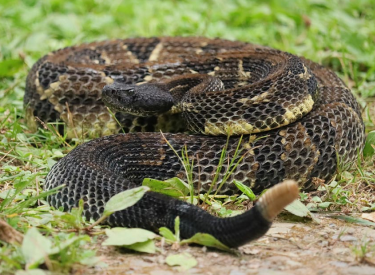
Timber Rattlers
A venomous concern, often found in rocky, wooded areas, ledges, or bluffs; they may den under decks, porches, or crawl spaces in search of rodents, posing a significant health risk to people and pets.
Please note that the animals listed above represent only some of the most common nuisance wildlife species we handle. If you are experiencing issues with an animal not featured here, or require immediate service, please do not hesitate to give us a call at 812-404-WILD. We are ready to provide expert information and service for any specific animal control needs you may have.
When DIY Turns Into OMG
Don’t risk dangerous DIY removal. Our certified wildlife experts use proven, humane methods for rapid removal, ensuring the safety of your family and effectively solving the problem.