Wildlife Odors
Detecting Unusual Smells and Odors
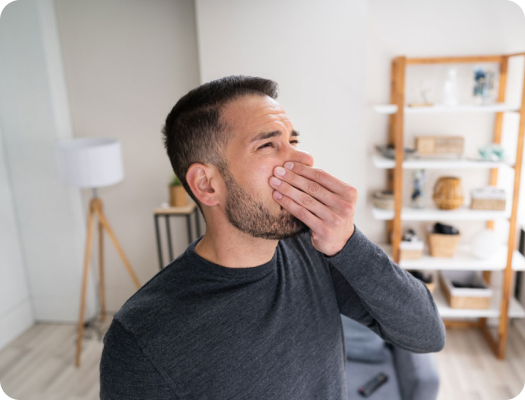
Musty or unusual smells in the attic or crawlspace are often a definitive sign that wildlife is present or has recently died. A strong, persistent stench could indicate a deceased animal; knowing how to tell if a dead animal is inside walls requires professionals tracking the odor, which typically worsens over time. Active infestations create distinct, tell-tale odors caused by raccoons, squirrels, bats, or rodents.
For example, a bat colony in the attic often results in an intense ammonia smell from guano which contaminates the space. Similarly, raccoon odors in your attic, skunk odors under your house, porches, and in your yard can be overwhelming. If your crawlspace smells like ammonia or decay, prompt investigation is necessary for animal removal and professional cleanup.
After the animals are gone, specialized cleaning or removal services are often required to neutralize contamination and permanently eliminate the persistent smells from urine, feces, and decay.