
Sarah Johnson
Customer Success
×
Live Chat

Wildlife Grease & Rub Marks

Identifying and Removing Grease Marks and Rub Marks

Grease marks on walls or beams, also known as rub marks, are oily, dark streaks left behind by animals, indicating high-traffic pathways within your home. Animals like rodents, bats and squirrels leaving rub marks in the home rely on these familiar routes, and the constant rubbing of their fur against a surface deposits dirt, oils, and body grease. Rodent grease marks on walls or beams are often found along baseboards, corners of the attic or crawlspace, near door frames, and entry points.

The pros at Black Diamond know how to tell if bats or squirrels are moving along beams; rubbing along rafters or leaving greasy trails near entry points will leave similar dark streaks. These marks reveal where we focus our wildlife removal and exclusion efforts. Fresh marks will appear darker and stickier, indicating a current, active infestation. Once the animals are removed, we work to clean and prevent grease marks, vital for sanitization, as the odors in the grease can attract new pests.
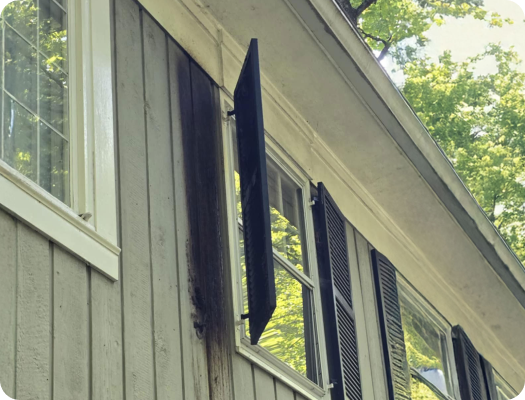
Bat Grease Guano Marks

Mark 'Em Off Your List

Grease marks confirm high-traffic pest pathways—and the odors in the residue attract new animals. We safely remove the pests, sanitize the contamination, and seal all entry points to break the cycle.

Frequently Asked Questions

What are rodent rub marks and do they contain pheromones?
Rodent rub marks are dark, oily secretions of grease and dirt left along walls and baseboards that contain pheromones used to communicate territorial boundaries, individual identity, and reproductive status to other rodents.
You can tell the difference by testing the texture of the material; structural wood rot will feel soft and spongy to the touch, whereas rodent grease stains are strictly a dark residue left on the hard surface of the material.
Yes, animal grease, oils, and body secretions can degrade drywall and insulation over time, reducing their performance while creating severe, embedded odors and biological health hazards.
Wildlife exclusion must always happen before cleaning, as you want to completely get the animal infestation under control and seal the entry points before performing any remediation work.