Wildlife Infestation Signs
Telltale Signs of a Wildlife Infestation
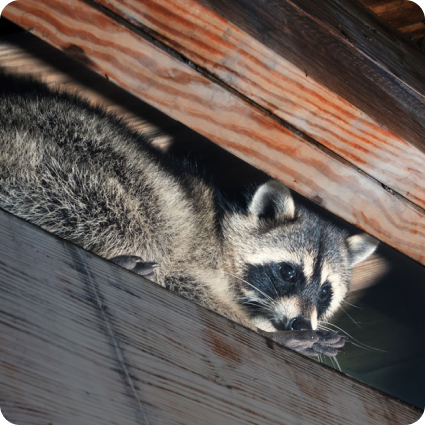
Noises in Attic or Walls
Sounds from your attic, walls, or crawlspace are a common giveaway that an animal intruder (raccoons, squirrels, bats) is present.
Listen closely for:
- Scratching or scurrying (often squirrels or mice).
- Loud thumping or walking (often raccoons or larger animals).
- Squeaking, chirping, or flapping (often bats or birds).
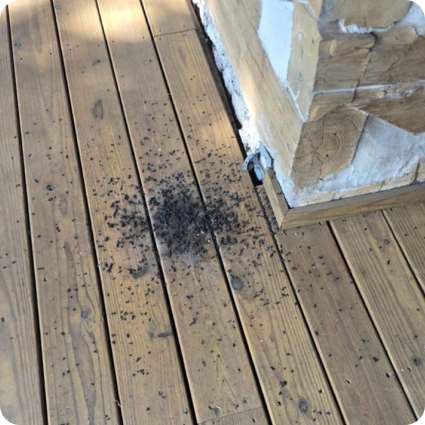
Droppings & Urine
Visible Damage Outdoors
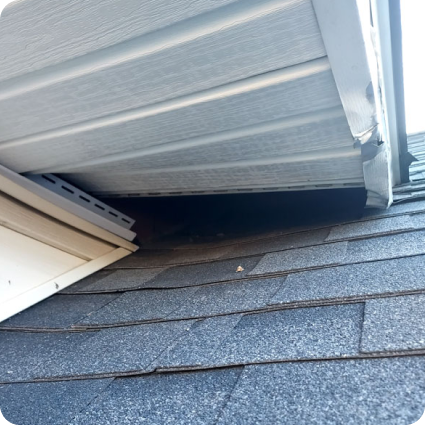
Wildlife causes external damage to gain entry or gather nesting material.
Look for signs such as:
- Chewed wires or damaged wood on exterior structures.
- Torn vents, gaps, or missing shingles along the roofline.
- Disturbed insulation or holes/tunnels in landscaping.
Each infestation sign page should include three subheaders (H2 or H3 depending on your structure):
H2: What Causes These Noises? (By Animal Type)
Squirrels
Raccoons
Rodents
Bats
(and link each animal type back to “Wildlife We Remove → Squirrels”)
H2: Where These Noises Typically Occur (By Location)
Attic
Walls
Crawlspace
Ceiling
(and link each to the corresponding service/inspection page)
H2: When These Noises Happen (By Time of Day)
Nighttime noises → raccoons, bats, rodents
Early morning noises → squirrels
Midday sounds → birds, squirrels
(and link each to relevant removal pages)
This structure accomplishes exactly what Google and AI models want:
✔ the page becomes a “content hub”
✔ topical authority increases
✔ long-tail keywords are captured naturally
✔ AI Overview can extract answers for multiple search intents from ONE page
✅ Internal Linking Strategy (Critical for SEO & AIO)
Inside each infestation sign page, include a small “related causes” or “related animals” block:
Example for Noises Page:
Related Wildlife
Squirrel Removal → internal link
Raccoon Removal → internal link
Rodent Control → internal link
Bat Removal → internal link
Also include:
Related Locations
Attic Wildlife Removal
Crawlspace Wildlife Removal
Wall Intruder Detection
Related Times
Noises at Night → takes them to a short FAQ area on the same page
Morning Noises → separate FAQ anchor on the page
This improves:
✔ crawl depth
✔ AI understanding of relationships
✔ user navigation
✔ ranking power for “noises in attic at night” type queries
✅ How It Should Look on the Page (Example Layout)
For the “Noises” page:
H1: Noises in Your Home

Intro paragraph…

H2: Common Causes of Wildlife Noises (By Animal Type)
→ Squirrels (internal link)
→ Raccoons (internal link)
→ Rodents
→ Bats

H2: Where These Noises Occur (By Location in Home)
→ Attic noises
→ Wall noises
→ Crawlspace noises
→ Ceiling noises

H2: When You Hear These Noises (By Time of Day)
→ Noises at night (raccoons, rodents, bats)
→ Noises at dawn (squirrels)
→ Noises during the day (birds, squirrels)

H2: What To Do If You Hear These Noises
CTA + internal links to removal services
Every infestation page gets the same layout, framed around:
✔ Type of animal
✔ Location in home
✔ Time of day
This gives you consistency + predictable crawl patterns.
✅ Should You Put These in the Menu?
No — absolutely not.
Instead:
Put them within each infestation page
Use jump links to each subsection (great for SEO)
Add a sidebar of “Related Pages” if your theme supports it
⭐ Final Summary — Your Optimal Structure
You should:
Keep your navigation clean:
Home
Services
Infestation Signs
Wildlife We Remove
Commercial Services
About Us
FAQs
Contact