Wildlife Grease & Rub Marks
Identifying and Removing Grease Marks and Rub Marks
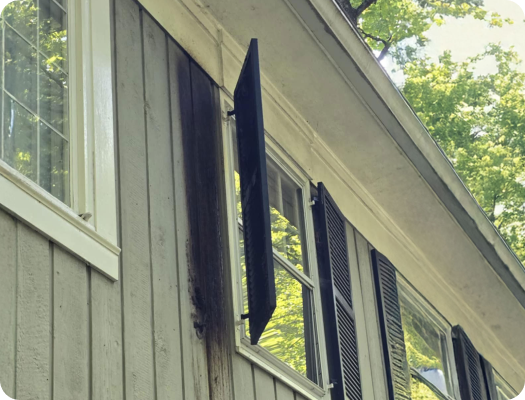
Grease marks on walls or beams, also known as rub marks, are oily, dark streaks left behind by animals, indicating high-traffic pathways within your home. Animals like rodents, bats and squirrels leaving rub marks in the home rely on these familiar routes, and the constant rubbing of their fur against a surface deposits dirt, oils, and body grease. Rodent grease marks on walls or beams are often found along baseboards, corners of the attic or crawlspace, near door frames, and entry points.
The pros at Black Diamond know how to tell if bats or squirrels are moving along beams; rubbing along rafters or leaving greasy trails near entry points will leave similar dark streaks. These marks reveal where we focus our wildlife removal and exclusion efforts. Fresh marks will appear darker and stickier, indicating a current, active infestation. Once the animals are removed, we work to clean and prevent grease marks, vital for sanitization, as the odors in the grease can attract new pests.
Mark 'Em Off Your List
What are grease marks on walls or beams?
Rodents leaving rub marks in home — how to identify
How to tell if bats or squirrels are moving along beams
Why do animals leave oily streaks on surfaces?
How to clean and prevent grease marks
By Animal Type:
Rodent grease marks on walls or beams
Bats rubbing along rafters
Squirrels leaving greasy trails near entry points
By Location:
Beams, walls, door frames, vents
Corners of attic or crawlspace
By Situation / Frequency:
Fresh vs. old rub marks
High-traffic paths vs. occasional marks