Wildlife Damage
Recognizing Wildlife Damage and Entry Points
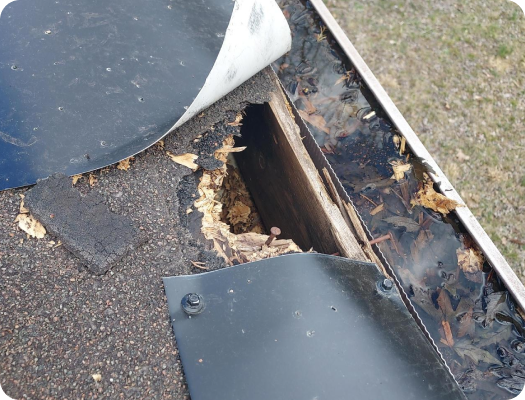
The most direct indicator of an animal infestation is the physical damage they leave behind. Black Diamond will look for telltale signs, like gnawing or claw marks on wood, metal, plastic, wiring, or disturbed insulation. For example, squirrels chewing wires and rodents gnawing holes in walls or floors are common signs of active pests, especially in the attic or crawlspace.
Larger animals like raccoons or squirrels tearing into wood, soffits, or vents can cause noticeable structural damage and may overturn or disturb trash cans. Inspecting the exterior for holes in walls, the attic, or vents, as well as structural damage in the roof or siding, can help pinpoint potential wildlife entry points. If you notice signs of repeated or ongoing damage, such as grease marks or minor cosmetic damage that could escalate into serious structural problems, prompt intervention is necessary for effective wildlife removal.
Please Note: While our focus is on wildlife removal and preventing future entry, we also provide patching and securing of the entry points.
Get To The Point
Signs of wildlife damage in the home
Animals chewing wires, wood, or insulation
How to spot gnawing or claw marks from squirrels or rats
Trash overturned or cabinets disturbed — what animal?
Holes in walls or attic — potential wildlife entry points
By Animal Type:
Squirrels chewing wires or insulation
Raccoons tearing into wood or vents
Rodents gnawing holes in walls or floors
Birds causing damage to rooflines or soffits
By Location:
Attic damage vs. crawlspace vs. basement
Garden or trash disturbance
Structural damage in roof, vents, or siding
By Situation / Severity:
Cosmetic damage vs. safety hazards (wiring, structural integrity)
Signs of repeated or ongoing damage