
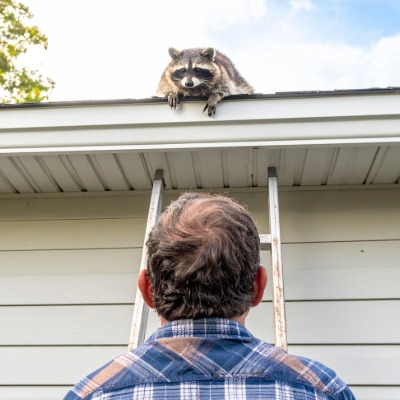
When wildlife invades your home, it’s tempting to take matters into your own hands. A quick internet search for DIY wildlife removal brings up countless videos, traps, and home remedies promising fast results. Unfortunately, what those guides don’t tell you is that attempting to remove wildlife yourself can be dangerous, illegal, and far more expensive in the long run.
At Black Diamond Wildlife Control, we regularly respond to situations that started as “simple” DIY wildlife removal attempts and quickly escalated into serious problems. From health risks and structural damage to legal consequences, here’s why wildlife removal is one job best left to trained professionals at Black Diamond.
Why DIY Wildlife Removal Is So Risky
Wild animals are unpredictable, especially when they feel threatened or trapped. Whether you’re dealing with raccoons, squirrels, skunks, opossums, bats in attics, or birds nesting in chimneys, DIY wildlife removal exposes homeowners to serious hazards.
1. Serious Health Risks and Disease Exposure
One of the biggest dangers of DIY wildlife removal is exposure to zoonotic diseases—illnesses that can spread from animals to humans and pets. Common wildlife-related health risks include:
- Rabies
- Leptospirosis
- Salmonella
- Histoplasmosis
- Raccoon roundworm
Animal droppings, urine, nesting materials, and disturbed insulation can contaminate the air quality inside your home. Without proper personal protective equipment (PPE), HEPA filtration, and biohazard cleanup procedures, homeowners risk inhaling harmful pathogens during removal or cleanup.
Professional wildlife control technicians are trained to safely manage these hazards, protecting your home’s air quality and reducing long-term health risks.
2. Increased Risk of Injury
Wildlife doesn’t behave like household pets. When cornered or stressed, animals may:
- Bite or scratch
- Lunge unexpectedly
- Spray (skunks)
- Fall through ceilings or walls
DIY attempts frequently result in injuries requiring medical attention, turning a “money-saving” project into an expensive emergency room visit.
DIY Wildlife Removal Often Makes the Problem Worse
Many DIY methods focus on removing the visible animal without addressing how it got inside, creating a cycle of repeat infestations.
3. Incomplete Removal
Wildlife infestations often involve multiple animals:
- Raccoons frequently raise young in attics
- Squirrels often nest in groups
- Bats typically roost in attic spaces
- Birds, including chimney swifts, commonly nest inside chimneys
Homeowners attempting DIY removal may remove one animal while leaving others behind. This can lead to lingering odors, continued noise, and additional property damage.
4. Structural Damage to Your Home
Wild animals can cause significant damage, including:
- Chewed electrical wiring (fire hazard)
- Disturbed insulation
- Damaged vents, soffits, and roofing
- Contaminated attic and crawl space areas
Without professional wildlife exclusion and repairs, animals can re-enter through the same openings or create new ones.
Legal Issues With DIY Wildlife Removal
Many homeowners don’t realize that wildlife removal is regulated by law. Certain animals are protected, and there are strict rules surrounding trapping, relocation, and handling.
In the United States, wildlife removal is governed by laws such as:
- Migratory Bird Treaty Act (MBTA)
- Endangered Species Act (ESA)
- State wildlife codes
- Wildlife relocation laws
- Humane and no-kill wildlife control regulations
- Bat maternity season restrictions
Removing protected wildlife—or interfering with nests or young—can result in fines, legal penalties, and in some cases even legal consequence. DIY wildlife removal attempts often violate these laws unintentionally.
Professional wildlife control companies like Black Diamond Wildlife Control are trained to follow all federal and state regulations, ensuring removal is legal, humane, and compliant.
Why Professional Wildlife Control Is the Better Choice
5. Humane and Effective Removal
We use proven, humane wildlife control methods designed to safely remove animals without unnecessary harm. Our trained technicians know how to handle aggressive or stressed wildlife while minimizing risk to your family and pets.
6. Full Inspection and Entry Point Sealing
Professional wildlife control includes:
- A thorough home inspection
- Identification of all entry points
- Wildlife exclusion and sealing
- Repairs to prevent re-entry
This comprehensive approach addresses the root cause of the infestation and protects your home long-term.
7. Proper Cleanup and Sanitization
DIY removal rarely addresses the contamination left behind. Black Diamond Wildlife Control provides professional attic and crawl space cleanup, including:
- Removal of droppings and nesting materials
- Sanitization of affected areas
- Odor control
- Insulation replacement when necessary
This restores healthy indoor air quality and prevents lingering health risks.
Professional Wildlife Control Services Include
- Wildlife trapping and removal
- Humane wildlife control
- Wildlife exclusion and prevention
- Animal damage repair
- Attic restoration and insulation replacement
- Crawl space cleanup and sanitization
DIY Wildlife Removal vs Professional Wildlife Control
When comparing DIY removal to hiring a professional, there are several key differences:
- Safety: DIY removal puts you at high risk of bites, scratches, and exposure to diseases. Professionals use PPE, HEPA filtration, and biohazard protocols.
- Cost: DIY may seem cheaper at first, but injuries, repeat infestations, and repairs quickly add up.
- Legal Compliance: DIY attempts often violate wildlife laws. Professionals follow all federal and state regulations.
- Long-term Effectiveness: Professional control includes inspection, exclusion, and restoration to prevent re-entry.
Common Wildlife Problems DIY Methods Can’t Fix
Homeowners often search for DIY solutions for:
- Raccoons in the attic
- Squirrels in the walls
- Bats in attics
- Birds nesting in chimneys
- Skunks under decks
- Opossums in crawl spaces
Each problem requires species-specific strategies. One-size-fits-all DIY approaches often fail or make the infestation worse.
The True Cost of DIY Wildlife Removal
While DIY removal may seem cheaper upfront, hidden costs quickly add up:
- Medical bills from bites or scratches
- Home repairs from ongoing damage
- Repeat infestations
- Professional cleanup after failed attempts
In many cases, homeowners spend far more than if they had contacted a professional first.
Trust Black Diamond Wildlife Control for Safe, Effective Solutions
When wildlife invades your home, your safety and peace of mind matter. Black Diamond Wildlife Control provides expert wildlife removal services designed to protect your home, your health, and your investment.
Skip the DIY risks. Call Black Diamond Wildlife Control today to schedule a professional inspection and protect your home the right way.