Infestation Signs

Telltale Signs of a Wildlife Infestation

Wildlife pests often leave subtle, yet destructive, signs of their presence. Lucky for you, our professional wildlife control team has seen it all. We are here to help you identify the common signs of an infestation before the damage gets extensive.
Raccoon Attic Noises

Noises in Attic or Walls

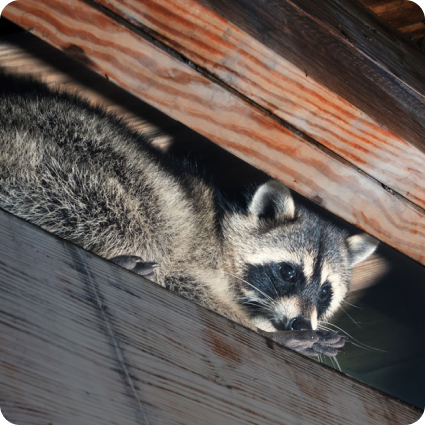
Sounds from your attic, walls, or crawlspace are a common giveaway that an animal intruder (raccoons, squirrels, bats) is present.

Listen closely for:

  • Scratching or scurrying (often squirrels or mice).
  • Loud thumping or walking (often raccoons or larger animals).
  • Squeaking, chirping, or flapping (often bats or birds).

Droppings & Urine

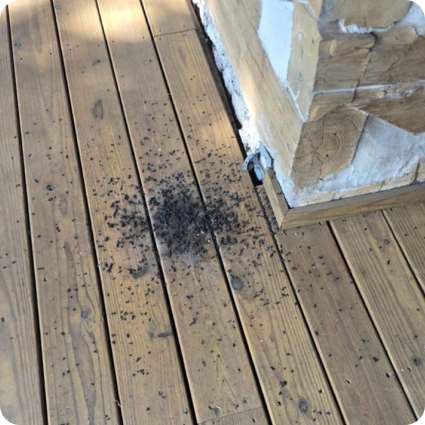
Unpleasant, strong, or musty smells often indicate a serious problem. Scattered animal droppings or large urine stains in attics, garages, basements, or even on drywall are a significant health risk. Our team can identify the species involved based on the waste.
Bat Guano Droppings
Wildlife Damage

Visible Damage Outdoors

Wildlife causes external damage to gain entry or gather nesting material.

Look for signs such as:

  • Chewed wires or damaged wood on exterior structures.
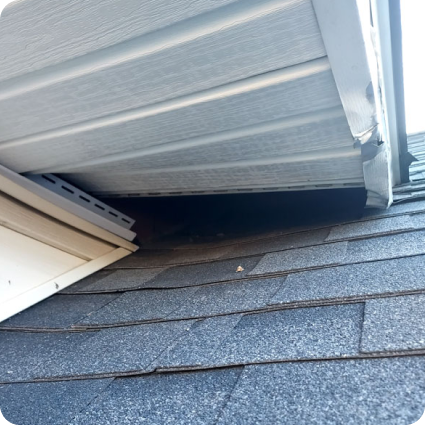
  • Torn vents, gaps, or missing shingles along the roofline.
  • Disturbed insulation or holes/tunnels in landscaping.

Each infestation sign page should include three subheaders (H2 or H3 depending on your structure):

H2: What Causes These Noises? (By Animal Type)

  • Squirrels

  • Raccoons

  • Rodents

  • Bats
    (and link each animal type back to “Wildlife We Remove → Squirrels”)

H2: Where These Noises Typically Occur (By Location)

  • Attic

  • Walls

  • Crawlspace

  • Ceiling
    (and link each to the corresponding service/inspection page)

H2: When These Noises Happen (By Time of Day)

  • Nighttime noises → raccoons, bats, rodents

  • Early morning noises → squirrels

  • Midday sounds → birds, squirrels
    (and link each to relevant removal pages)

This structure accomplishes exactly what Google and AI models want:
✔ the page becomes a “content hub”
✔ topical authority increases
✔ long-tail keywords are captured naturally
✔ AI Overview can extract answers for multiple search intents from ONE page


Internal Linking Strategy (Critical for SEO & AIO)

Inside each infestation sign page, include a small “related causes” or “related animals” block:

Example for Noises Page:
Related Wildlife

  • Squirrel Removal → internal link

  • Raccoon Removal → internal link

  • Rodent Control → internal link

  • Bat Removal → internal link

Also include:
Related Locations

  • Attic Wildlife Removal

  • Crawlspace Wildlife Removal

  • Wall Intruder Detection

Related Times

  • Noises at Night → takes them to a short FAQ area on the same page

  • Morning Noises → separate FAQ anchor on the page

This improves:
✔ crawl depth
✔ AI understanding of relationships
✔ user navigation
✔ ranking power for “noises in attic at night” type queries


How It Should Look on the Page (Example Layout)

For the “Noises” page:

 
H1: Noises in Your Home Intro paragraph… H2: Common Causes of Wildlife Noises (By Animal Type) → Squirrels (internal link) → Raccoons (internal link) → Rodents → Bats H2: Where These Noises Occur (By Location in Home) → Attic noises → Wall noises → Crawlspace noises → Ceiling noises H2: When You Hear These Noises (By Time of Day) → Noises at night (raccoons, rodents, bats) → Noises at dawn (squirrels) → Noises during the day (birds, squirrels) H2: What To Do If You Hear These Noises CTA + internal links to removal services

Every infestation page gets the same layout, framed around:
✔ Type of animal
✔ Location in home
✔ Time of day

This gives you consistency + predictable crawl patterns.


Should You Put These in the Menu?

No — absolutely not.

Instead:

  • Put them within each infestation page

  • Use jump links to each subsection (great for SEO)

  • Add a sidebar of “Related Pages” if your theme supports it


Final Summary — Your Optimal Structure

You should:

Keep your navigation clean:

  • Home

  • Services

  • Infestation Signs

  • Wildlife We Remove

  • Commercial Services

  • About Us

  • FAQs

  • Contact

Put animal type, location, and time-of-day content inside each infestation page, not in the menu.

Use internal linking to create a full topical SEO cluster, without cluttering navigation.

Use consistent H2/H3 layout across all infestation pages.