
Wildlife Nesting Material
Spotting and dealing with nests
Identifying animal nests in the attic or crawlspace is a clear indication of an established wildlife infestation. Most animals use insulation for nesting, but occasionally rodent nests (from mice or rats) are made of shredded paper or fabric in the home. In contrast, squirrel nests are typically larger and constructed from leaves, twigs, or other plant matter.
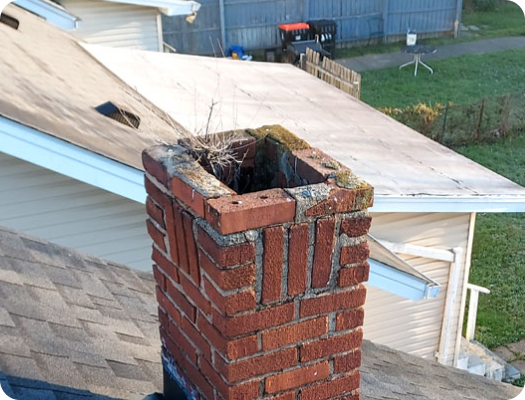
Look for bird nests in eaves, chimneys, or attics, and for bat colonies, the presence of guano (droppings) is usually the main sign near the entry point and roosting site. Nests found in wall voids or ceilings require immediate attention. It’s important to distinguish between active nests vs. abandoned nests and be aware of seasonal nesting patterns (like spring or fall). For safety, avoid handling nests on your own, especially with bare hands.
Count on the pros at Black Diamond to remove and clean up animal nests safely using protective equipment to avoid exposure to parasites and pathogens associated with nesting materials.
Before Their Nest Costs You a Nest Egg
Frequently Asked Questions
Are wildlife nests dangerous to human health?
How do I know if an animal nest in my attic is active or abandoned?
Do abandoned nests attract other pests?
Absolutely. Abandoned nests leave behind organic debris that acts as a magnet for secondary infestations, including:
- Bat bugs and mites that parasitic on the original hosts but look for new targets.
- Spider beetles, fleas, and flies that scavenge on leftover nesting materials.
- Larger wildlife, like squirrels, looking to reuse the structure.